How to address a card (so it actually gets there)
The quiet rules of the envelope — return address, recipient, stamps, and the small touches that make a hand-addressed card feel like a hug in the mailbox.
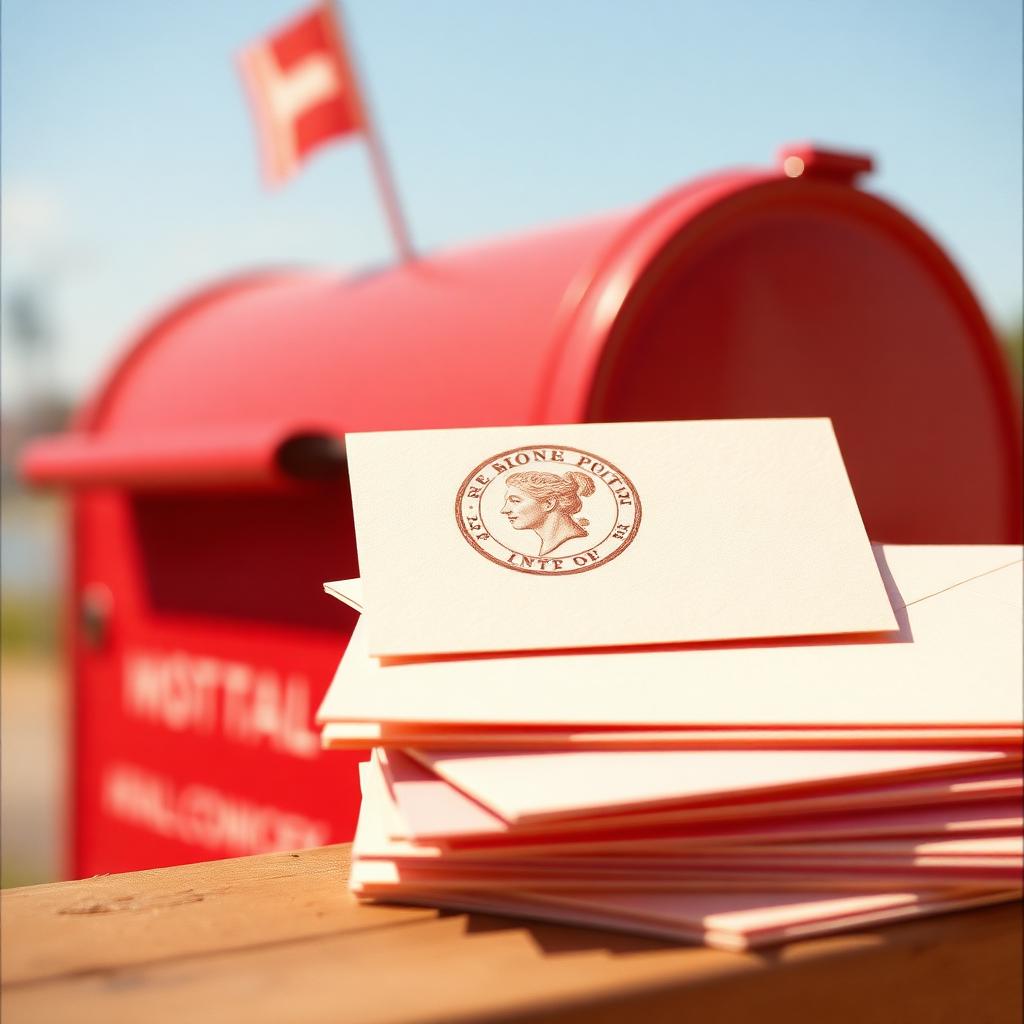
Start with the return address
Write your return address in the top-left corner of the envelope, or on the back flap if you prefer a cleaner front. It should include your full name (or family name), street address, city, state, and ZIP. If the card cannot be delivered, this is how it finds its way home to you.
The recipient goes in the middle
Center the recipient block on the front of the envelope, roughly halfway down. Give it four lines:
- Line 1: Full name (with a title if you like — Mr., Mrs., Ms., Dr.)
- Line 2: Street address, apartment or unit number
- Line 3: City, state abbreviation, ZIP code
- Line 4 (optional): Country, in ALL CAPS, only if mailing internationally
Use two-letter state abbreviations (CA, NY, TX). ZIP+4 is a nice touch and helps USPS route your card a little faster.
Titles for couples and families
If you are writing to a married couple who share a last name, "Mr. and Mrs. John Smith" is the traditional form. If they use different last names, list both names on the same line: "Mrs. Jane Doe and Mr. John Smith." For a whole family, "The Smith Family" is warm and simple. Modern is always allowed — first names alone are perfectly correct.
Handwriting that USPS can read
Print, do not cursive, if your handwriting runs on the loopy side. Keep letters tall and clear. Use dark blue or black ink — pencil and light colors can be missed by mail sorters. Leave a little breathing room between the recipient block and the edges of the envelope so the postal barcode has somewhere to land.
The stamp
Stamps go in the top-right corner, right-side up. One Forever stamp is enough for a standard greeting card in a standard envelope within the United States. Square envelopes and unusually thick cards may need extra postage — when in doubt, weigh it at the post office.
Little touches that make it feel like you
- A wax seal on the flap for anniversaries and weddings.
- A tiny doodle or a heart next to the stamp.
- A colored envelope liner peeking out at the top.
- Your monogram or a small return-address label on the back flap.
None of it is required. All of it says: I was thinking of you.
When to drop it in the mailbox
Aim to mail birthday cards three to five days before the birthday for local delivery, and a full week for coast-to-coast. Holiday cards for December birthdays and Christmas should go out the first week of December — the mail slows down when everyone else is sending, too. Our fridge schedule gives you a suggested mail-by date for every card in your packet, so you never have to guess.
The only rule that actually matters
A card in the mailbox — even a slightly crooked one, even one where you spelled the street wrong and had to cross it out — is worth ten perfect texts. Address it, stamp it, send it. The person on the other end will hold it in their hands and know you thought of them.
The journal, by email
One note a week. Never more.
New journal posts and the occasional subscriber-only offer. No spam, unsubscribe anytime.