Why writing letters to children matters
A letter with a child's name on it does something a text never will. Here is what regular mail gives kids — and how to start with one simple letter a month.
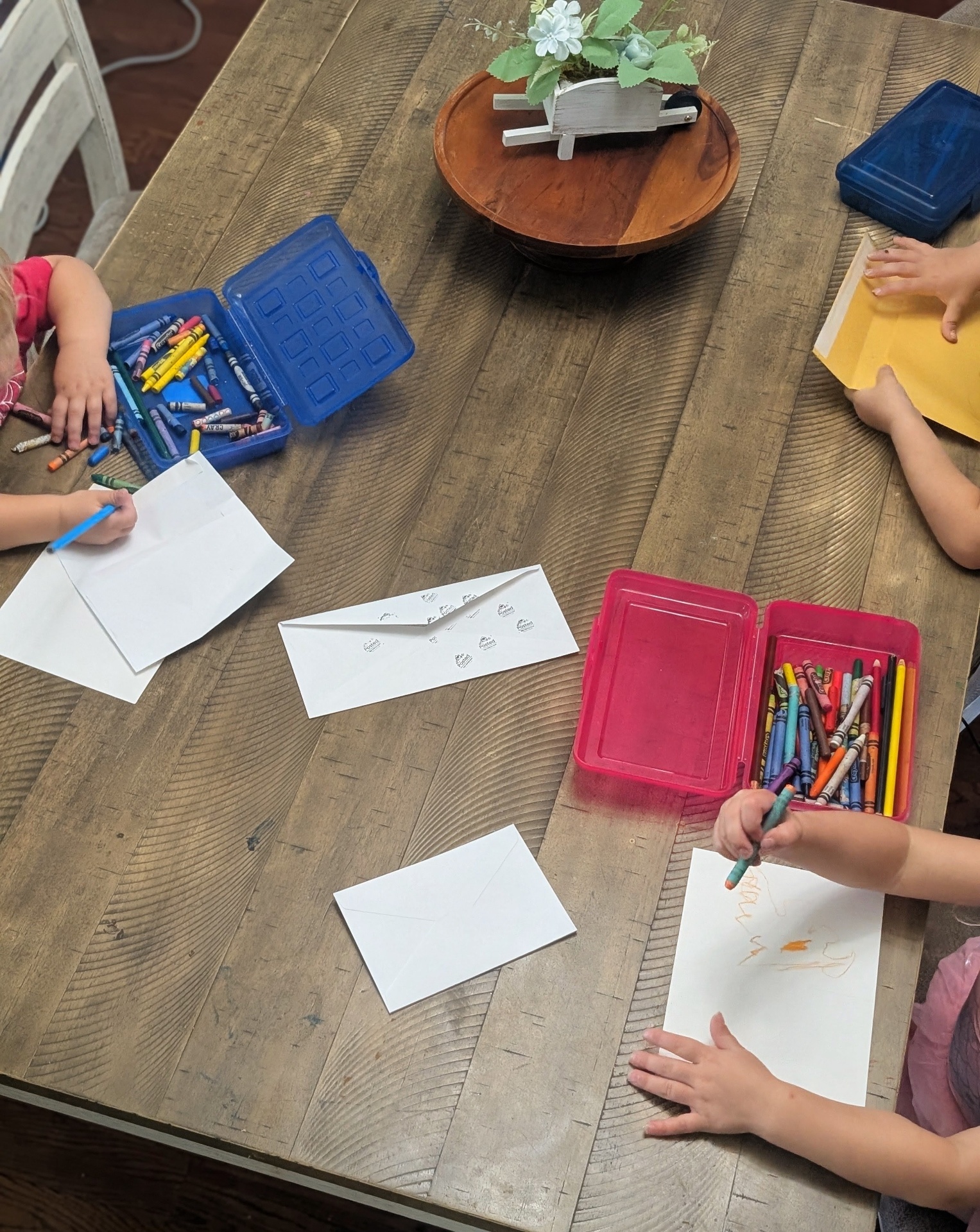
There is a particular look a child gets when they are handed an envelope with their own name on it.
It is not the look they give a present. It is quieter than that. It is the look of being chosen. Especially if they have siblings. For thirty seconds, this thing came for them and only them, and nobody has to share it.
That is worth more than the price of a stamp.
Something that is just for them
In a house with more than one child, almost everything is shared — the snacks, the car ride, the attention, the bathroom. Mail is one of the few things that arrives with a single name on it.
Kids notice. They put it on the nightstand. They read it again at bedtime. They keep it in a drawer long after you have forgotten you wrote it.
Writing back is good for them
Schools have moved a great deal of writing onto screens, and typing is a genuinely useful skill. But handwriting is a different task for a child's brain. It is slower. It requires them to plan a sentence before they commit to it, to spell without a red squiggle correcting them, to think about who is going to read this.
A letter also gives them a real audience. Most school writing is graded. A letter is received. That changes how a child writes — and how much they want to.
You do not need to assign it. Write to them, and most children will eventually write back, because getting mail makes people want to send mail.
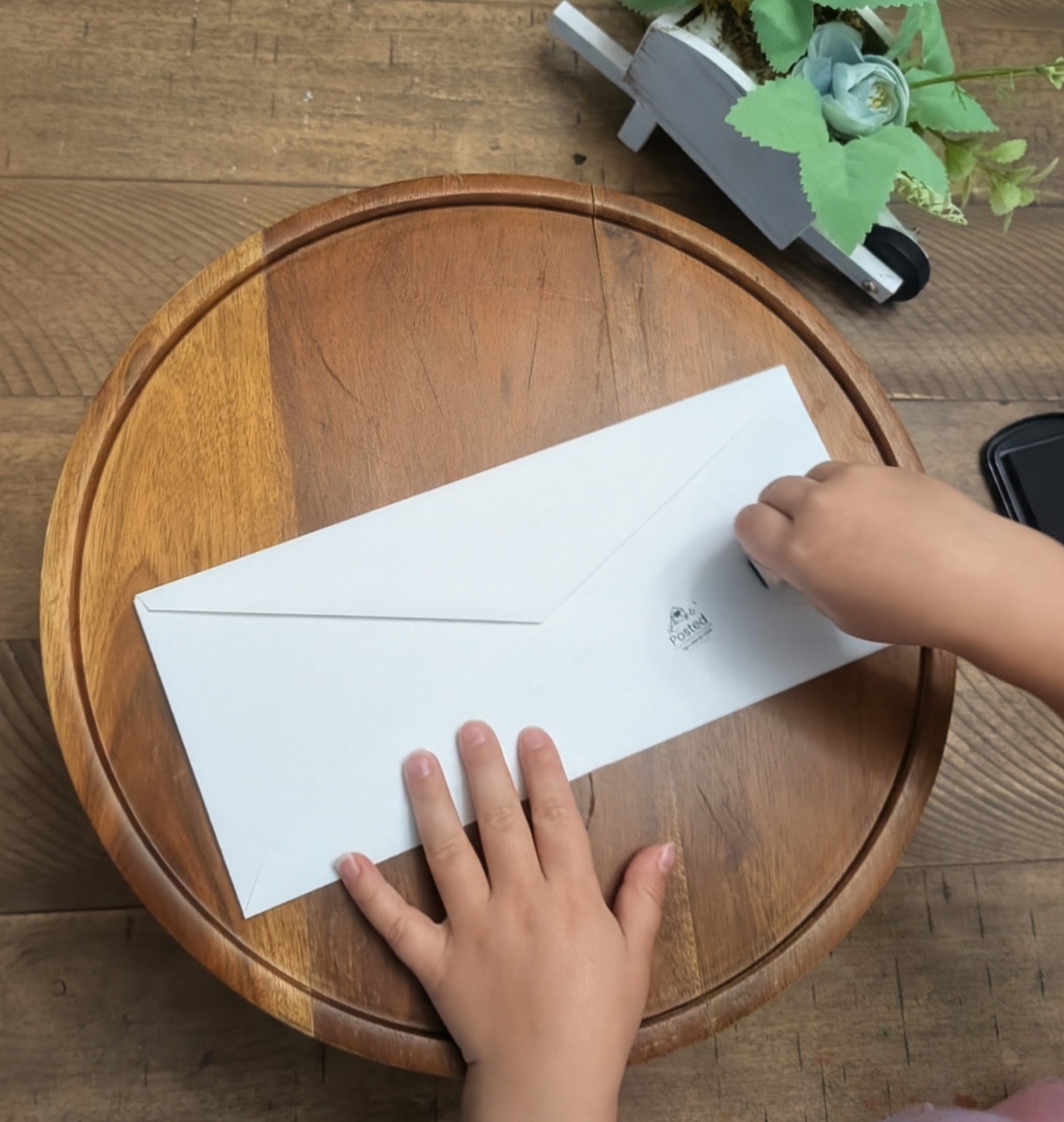
The bond a letter builds
For younger children, consistent mail from a grandparent, aunt, or godparent quietly builds the thing psychologists call a secure base — the sense that there are grown-ups outside their household who are paying attention. That matters far later than you would think. The child who knows Grandma always writes is the teenager who knows Grandma is still there.
For older kids and teenagers, a letter is the least invasive way to reach out that exists. There is no eye contact. There is no "we need to talk." No one else in the group chat can see it. They can read it when they want and answer whenever they are ready — or never, and it still landed.
That is why letters work so well with teens. You are not asking them for anything. You are just leaving a door open.
Letters are how family stories travel
Stories that stay verbal usually die with the person who told them. Written ones do not.
Tell them about the summer you were their age. Tell them what their mom was like in eighth grade. Tell them what you learned the hard way and wish somebody had told you sooner. It does not need to be a lesson — half a page of an ordinary memory is enough. Twenty years from now they will still have it in your handwriting.
Start absurdly small
If this sounds like one more thing to fail at, shrink it until it is impossible to fail.
- One letter a month. Same child, same rough week each month.
- Five sentences. What you have been doing, one thing you remembered about them, one question, one line of encouragement, your name.
- Keep supplies in one spot. Cards, stamps, and a pen in a single drawer. The hunt for a stamp is what kills most good intentions.
- Ask a question they can answer in one line. It makes writing back easy instead of homework.
And if the honest problem is that you will simply forget — that is what we built Love Posted for. Add the kids in your life to your planner, set them as monthly thinking-of-you recipients, and their cards show up in your packet already sorted, so all that is left is the part only you can do: writing it.
The remembering is the boring half. Let us carry that one.
The journal, by email
One note a week. Never more.
New journal posts and the occasional subscriber-only offer. No spam, unsubscribe anytime.